Renovating a bathroom is a chance to combine durability with design. The right bathroom tiles can transform the space, improve moisture control, and add value to your home. This guide explores tile materials, layouts, maintenance, and budgeting to help you make informed choices.
Understanding bathroom tiles
Tiles in a bathroom face humidity, water splashes and cleaning agents. Choosing the right material involves balancing durability, slip resistance, ease of maintenance and cost.
Materials and finishes
- Ceramic tiles: lightweight, affordable and widely available. Good for walls and low traffic floors; easier to cut but less dense than porcelain.
- Porcelain tiles: dense, water resistant and durable. Suitable for floors and heavy traffic bathrooms; available in large formats that minimize grout lines.
- Natural stone: options like travertine or marble offer luxury but require sealing and higher maintenance.
- Glass tiles: reflective, great for backsplashes and accents; can be slippery when wet on floors and more prone to chipping.
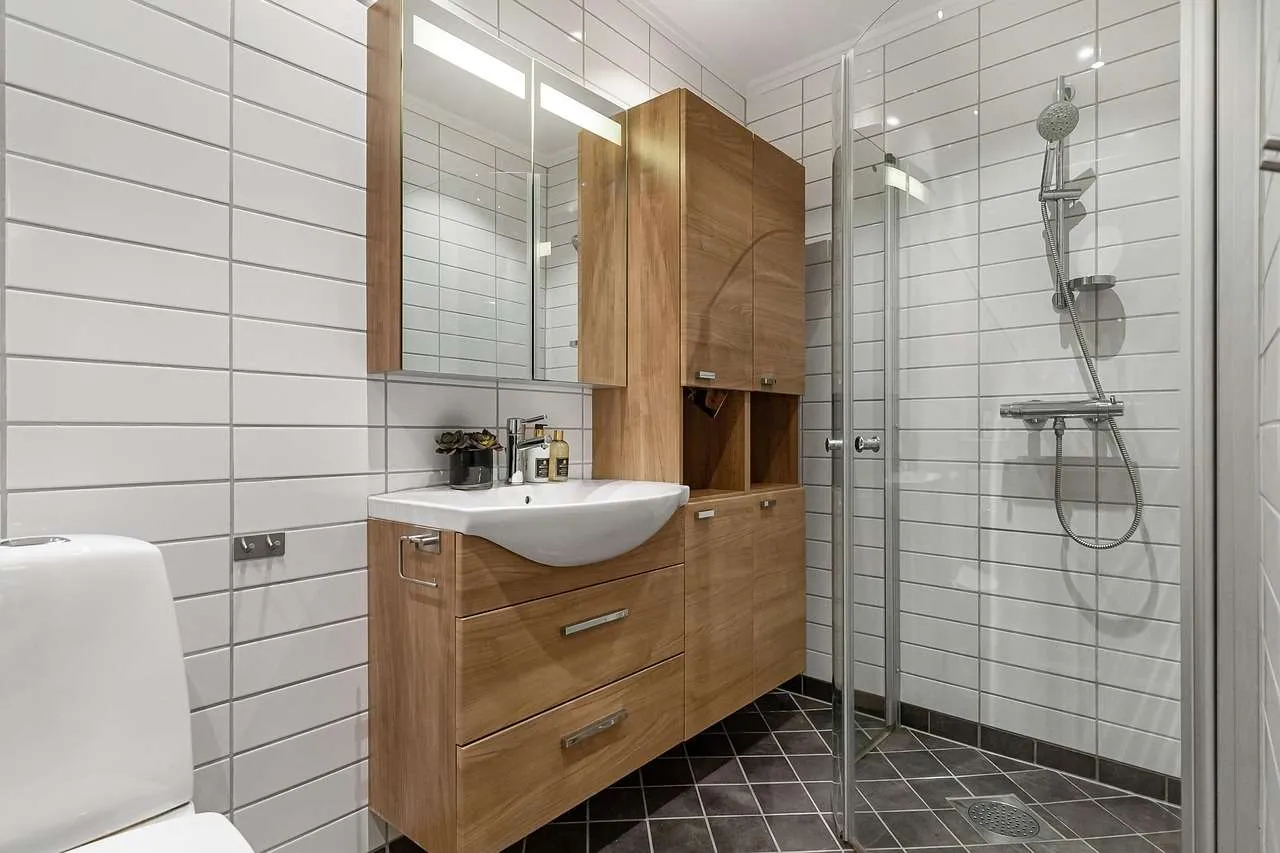
- Subway and mosaic tiles: classic patterns with versatility for walls and showers.
Popular tile types
Consider where the tile will be used and how the space feels. Wall tiles can be lighter and larger in size, while floors benefit from higher non slip ratings.
Choosing the right tile for your space
Key factors include moisture exposure, room size, foot traffic and the desired look. Non slip ratings for wet areas are important for safety. Lighter colors can brighten small rooms, while larger formats reduce grout lines for a modern look.
Size and layout ideas
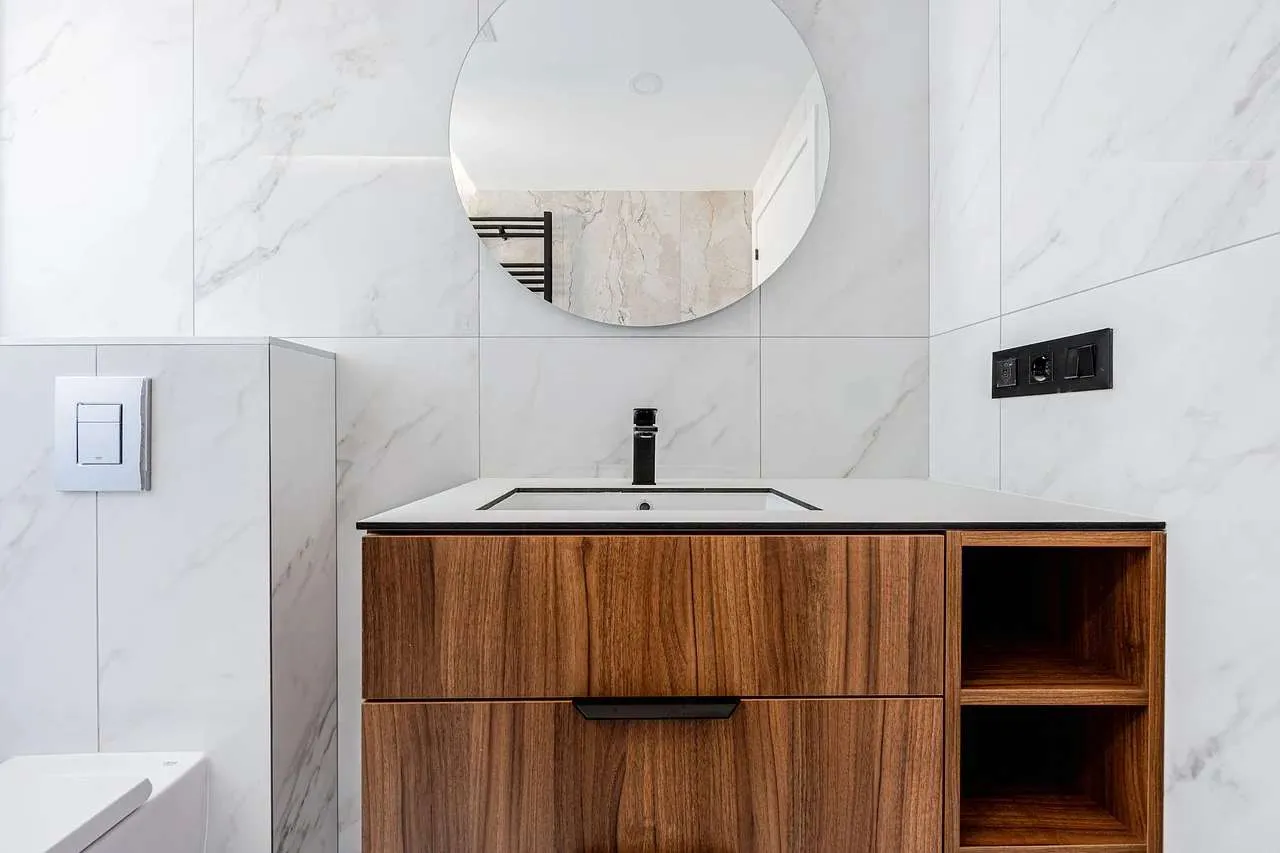
Large format tiles such as 12x24 or 24x24 in slabs create a seamless look with fewer grout lines. Herringbone and brick patterns add movement, while diagonal layouts can visually enlarge a small room.
Color and pattern trends
Neutral tones like soft grays and warm beiges remain popular, complemented by textured surfaces and subtle veining. Bold accents with glass or colorful mosaics can create focal points without overpowering the space.
Installation and maintenance
Professional installation ensures proper waterproofing and alignment. For DIY projects, start with a dry layout, verify plumb walls and use a quality thin set. Grout choice matters; epoxy grout offers stain resistance but can be harder to work with than cementitious grout.
Grout and sealing
Seal porous natural stone and cement based grout periodically. Consider color matching grout to tile for a cohesive look, or choose a contrasting grout to emphasize patterns.
Cost and budgeting
Tile cost varies by material, size and installation complexity. Ceramic and porcelain are typically affordable options, while natural stone and large format tiles command higher prices. Labor costs can be a major portion of the budget, especially for wet area waterproofing and backer board preparation.
Tile comparison at a glance
| Tile Type | Durability | Moisture Resistance | Maintenance | Approx Cost |
|---|---|---|---|---|
| Ceramic | Moderate | Good for walls; floors ok in dry areas | Low | Low |
| Porcelain | High | Excellent for floors and showers | Moderate | Moderate |
| Natural stone | High when sealed | Variable; requires sealing | High | High |
| Glass | Moderate | Excellent for walls; not ideal for floors | Low to moderate | High |
Conclusion, by understanding tile types, selecting the right size and pattern, and planning for maintenance and budget, you can achieve a durable and stylish bathroom that stands up to moisture and daily use.